Quick Answer for Homeowners
Ice dams form when three conditions happen at the same time.
- snow accumulates on the roof
- heat escapes from the attic and melts the snow
- the melted water refreezes at the roof edge
Once ice begins building along the roof edge, water can back up under the shingles.
Why Ice Dams Are Common in Wisconsin
Ice dams are especially common in colder regions like Wisconsin because winter conditions often create the perfect environment for them to form.
Several factors contribute to the problem.
Snow Accumulation
Large snowfalls leave thick layers of snow sitting on the roof.
The more snow present, the more water can be produced when it begins melting.
Heat Escaping From the Attic
When warm air escapes into the attic, it heats the underside of the roof.
This warmth melts the snow sitting on top of the roof surface.
Refreezing at the Roof Edge
The edges of the roof are usually colder than the center because they extend beyond the heated interior of the home.
When melted snow reaches the edge, it refreezes.
Over time this creates a wall of ice.
How Ice Dams Damage Roofs
Ice dams can cause several types of roofing problems.
Water Leaks Inside the Home
The most obvious issue occurs when water works its way under shingles.
Once inside, it can damage ceilings, walls, insulation, and flooring.
Damaged Roofing Materials
Ice buildup can lift shingles and weaken roofing materials.
Repeated freeze cycles can also loosen flashing and nails.
Mold and Moisture Problems
When water enters the attic, insulation can become saturated.
This creates conditions where mold may develop.
Gutter and Exterior Damage
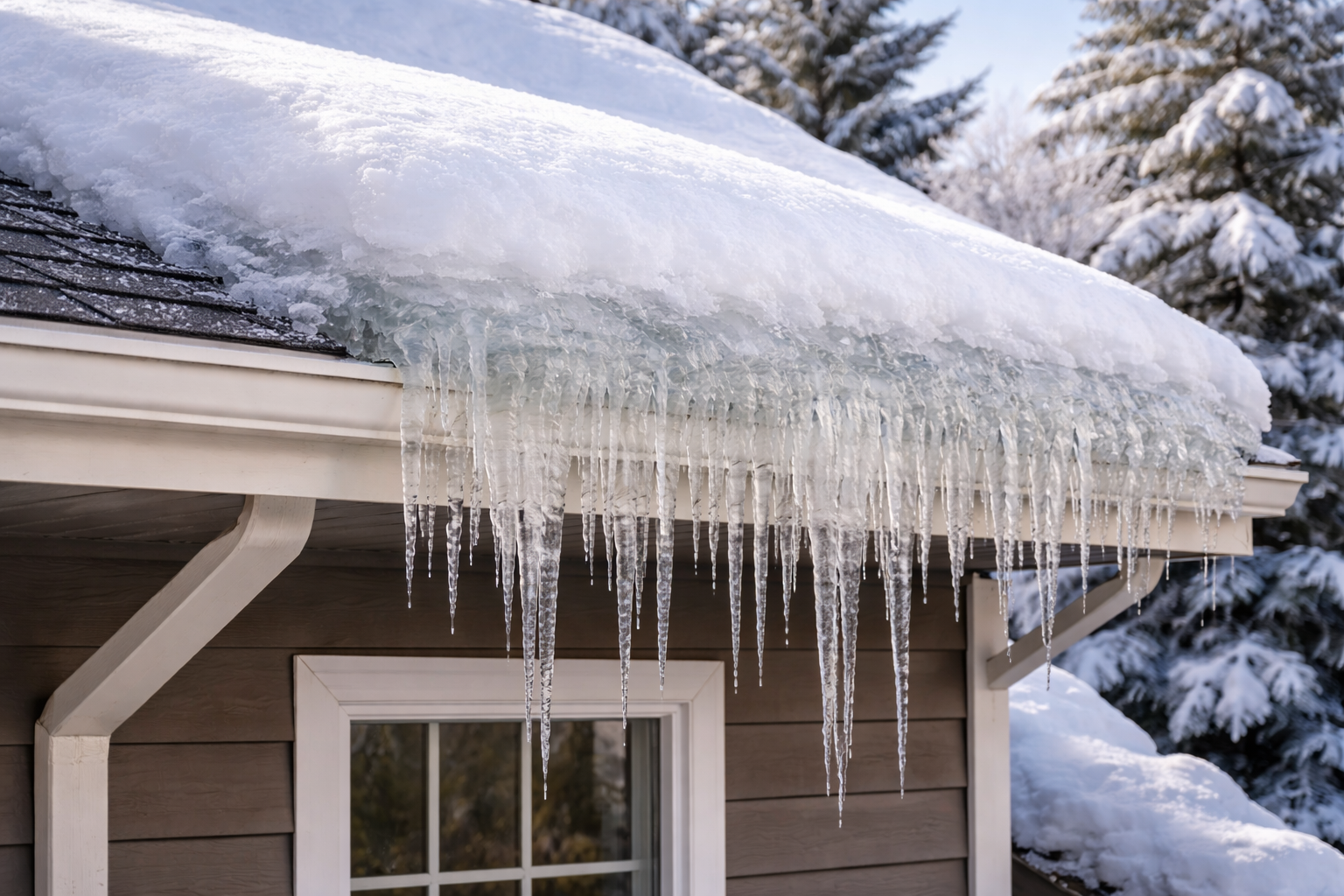
Large icicles and ice buildup can also damage gutters and fascia boards.
This can lead to additional exterior repair costs.
Signs Your Home May Have Ice Dams
Homeowners often notice ice dams before they realize they are causing damage.
Common warning signs include:
- large icicles hanging from the roof
- thick ice buildup along the roof edge
- water stains on ceilings
- peeling paint near rooflines
- damp attic insulation
If you notice these signs, it is a good idea to have the roof inspected.
How to Prevent Ice Dams
Preventing ice dams usually requires addressing the root causes.
Improve Attic Insulation
Insulation helps prevent warm air from reaching the roof surface.
When insulation is installed properly, the roof temperature stays more consistent.
Improve Attic Ventilation
Good ventilation allows cold air to circulate through the attic.
This helps prevent snow from melting unevenly on the roof.
Seal Air Leaks
Air leaks around light fixtures, attic hatches, and wiring can allow warm air to enter the attic.
Sealing these gaps can reduce heat transfer.
Remove Snow When Necessary
In some situations, safely removing snow from the roof can help reduce ice buildup.
Roof rakes are sometimes used to clear snow near the roof edge.
Why Professional Roof Inspections Help Prevent Ice Dams
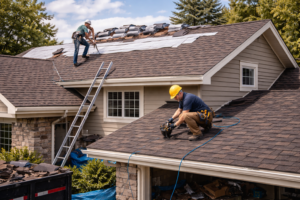
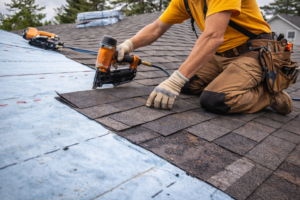
A professional roof inspection can identify factors that contribute to ice dam formation.
These may include:
- poor attic ventilation
- insulation gaps
- damaged shingles
- flashing issues
Fixing these issues early can reduce the likelihood of winter roof damage.
Frequently Asked Questions
About the Author
T.R. Fullerton is a Wisconsin contractor and the owner of StyleCraft Renovations. He works with homeowners throughout Milwaukee, Madison, and Waukesha helping them improve and protect their homes with quality roofing, siding, windows, and exterior remodeling.