
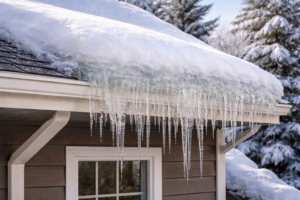
Ice Dams Explained: Why They Form and How Wisconsin Homeowners Can Prevent Them
StyleCraft Home Renovations, LLC Ice Dams Explained: Why They Form and How Wisconsin Homeowners Can Prevent Them What Are Ice Dams? If you live in
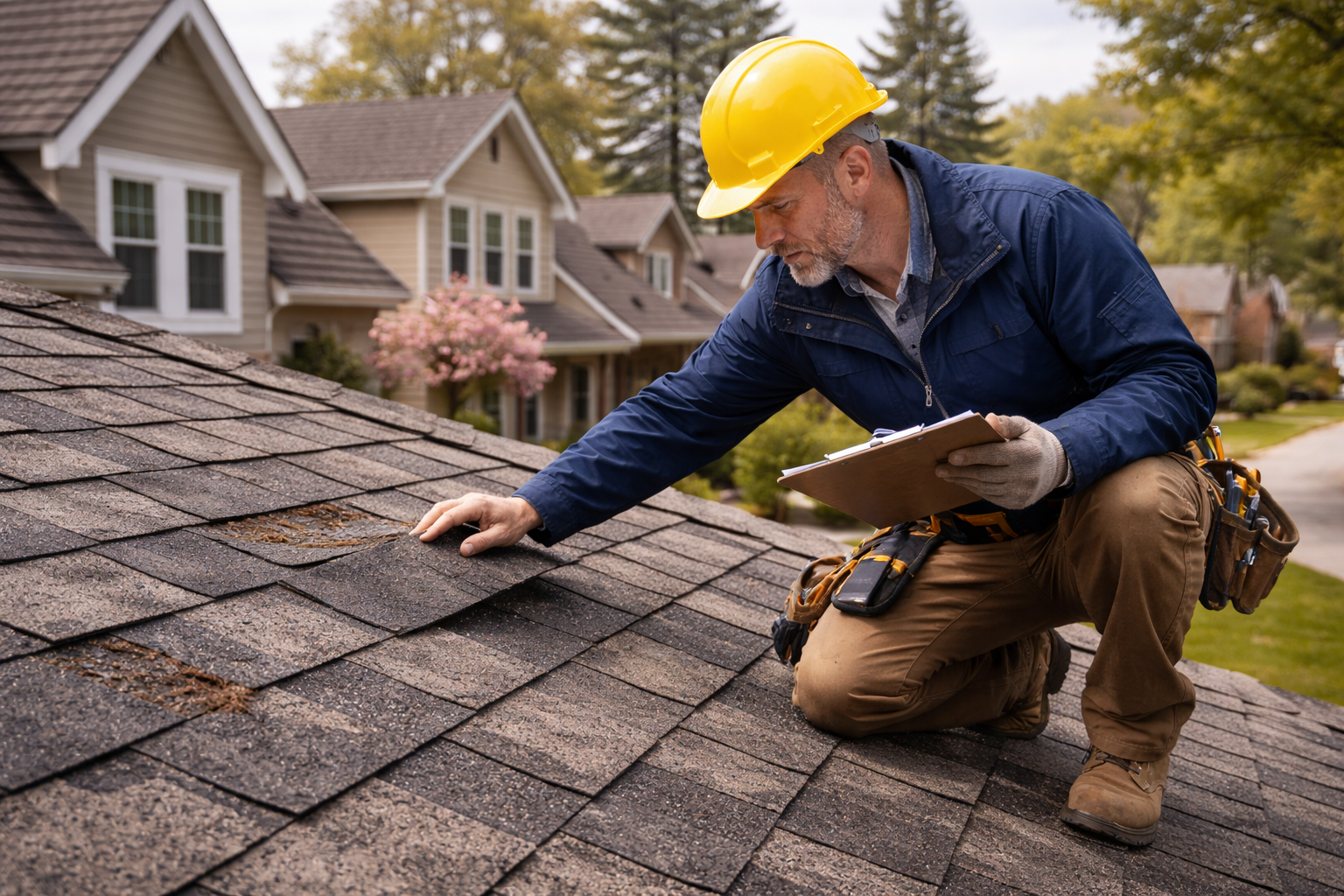
Most roofs do not suddenly fail overnight.
In most cases your roof will give several warning signs before major problems appear.
As a contractor working with homeowners across Milwaukee, Waukesha, and Madison, I often see people wait until a leak develops before calling someone to inspect the roof.
By that point the problem is usually bigger and more expensive.
The good news is that most roofing issues show clear warning signs early on.
Knowing what to look for can help homeowners protect their homes and avoid costly damage.
If you notice any of the following issues, it is a good idea to schedule a roof inspection.
These signs often indicate a roof that is approaching the end of its lifespan.
One of the most common signs of an aging roof is curling shingles.
Over time shingles dry out and begin to lose flexibility. When this happens the edges start to curl upward or downward.
Curling shingles do not seal properly, which allows wind and moisture to get underneath them.
This problem is especially common on roofs that are around 20 years old.
Wisconsin temperature swings tend to accelerate this type of wear.
Strong winds, hail, and storms frequently damage roofs in Wisconsin.
Missing shingles expose the underlying roofing materials to water.
Even a few missing shingles can allow moisture to penetrate the roof structure.
After major storms I often see homes across Milwaukee and Waukesha with scattered shingle damage that homeowners did not initially notice.
That is why roof inspections after storms are important.
Shingles are covered with small protective granules that help shield them from sunlight and weather damage.
As shingles age, those granules begin to break loose.
When this happens they often wash into gutters and downspouts.
If you notice a sand like buildup in your gutters, your roof may be approaching the end of its life.
Granule loss reduces the shingle’s ability to protect the roof from moisture.
Dark streaks on a roof often come from algae growth.
While algae itself does not always cause immediate damage, it can indicate moisture retention.
Roofs that hold moisture tend to age faster.
In humid areas around Wisconsin this type of staining is fairly common on older roofs.
If the roof is already approaching the end of its lifespan, algae growth may signal that replacement should be considered.
Water stains on ceilings or walls are one of the clearest warning signs of a roofing problem.
These stains may appear as yellow or brown marks on drywall.
Sometimes the leak originates far from the location where the stain appears, which makes roof inspections important.
Leaks can develop around flashing, roof vents, skylights, or damaged shingles.
Even small leaks should be addressed quickly to prevent mold or structural damage.
A roof should appear straight and even across its surface.
If you notice sagging areas or uneven sections, it could indicate structural issues beneath the shingles.
Common causes include:
Sagging roofs should be inspected immediately because they can lead to serious problems if ignored.
Sometimes the biggest indicator is simply age.
If your asphalt roof is approaching 20 to 25 years old, it is wise to start planning for replacement even if it still looks decent.
Many homes throughout Milwaukee and Madison built in the early 2000s are reaching this stage now.
Older roofs are more vulnerable to storm damage and leaks.
Scheduling an inspection can help determine how much life remains.
Roofing systems in Wisconsin experience some of the toughest weather conditions in the country.
Homeowners here deal with:
These conditions place extra stress on roofing materials.
That is why regular inspections and maintenance are so important for homeowners in our region.
Sometimes homeowners ask whether they should repair their roof instead of replacing it.
Repairs often make sense when damage is limited to a small section of the roof.
However, if the roof is older or damage appears in multiple areas, replacement is often the more cost effective solution.
Continuing to repair an aging roof can lead to repeated expenses without solving the underlying issue.
A professional inspection can help determine the best option.
Common warning signs include curling shingles, missing shingles, granule loss, water stains inside the home, and roofs that are more than 20 years old.
If damage is limited to a small area and the roof is relatively new, repairs may be sufficient. Older roofs with widespread wear often require replacement.
Signs include missing shingles, dents from hail, cracked shingles, or debris impact. A professional inspection is the best way to confirm damage.
Most residential roof replacements can be completed in one to two days depending on the size and complexity of the home.
Yes. Waiting for leaks often allows hidden damage to develop inside the roof structure. Replacing a roof before failure protects the home and reduces repair costs.
T.R. Fullerton is a Wisconsin contractor and the owner of StyleCraft Renovations. He works with homeowners across Milwaukee, Madison, and Waukesha helping them protect their homes with high quality roofing, siding, windows, and exterior remodeling.
If you are noticing signs of roof damage or your roof is approaching 20 years old, it may be time to have it inspected.
StyleCraft Renovations helps Wisconsin homeowners understand their roofing options and make informed decisions about repairs and replacement.
Call (262) 470-1803 to schedule a roof inspection or discuss your project.
StyleCraft Home Renovations, LLC Ice Dams Explained: Why They Form and How Wisconsin Homeowners Can Prevent Them What Are Ice Dams? If you live in
StyleCraft Home Renovations, LLC What Does a New Roof Cost in Wisconsin? Understanding Roof Replacement Costs in Wisconsin One of the first questions homeowners ask
StyleCraft Home Renovations, LLC Roof Repair vs Roof Replacement: How Wisconsin Homeowners Should Decide Repair or Replace? A Common Question for Wisconsin Homeowners One of